Himalayan Seasons & Climate Guide

Best Time to Visit Uttarakhand

An exhaustive month-by-month climate breakdown, seasonal temperature matrices, and activity schedules designed to help domestic holidaymakers and international travelers plan an unforgettable Himalayan expedition.

12-Month Matrix
Snow & Ski Calendar
Char Dham Window
Wildlife Safari Dates
Peak Trekking Seasons
Seasonal Snapshot

Uttarakhand Across the Four Seasons

Uttarakhand experiences remarkable climatic diversity due to altitude variations ranging from 300 meters in the Terai plains to over 7,800 meters at the peak of Nanda Devi. Choose the season that matches your Himalayan travel aspirations.

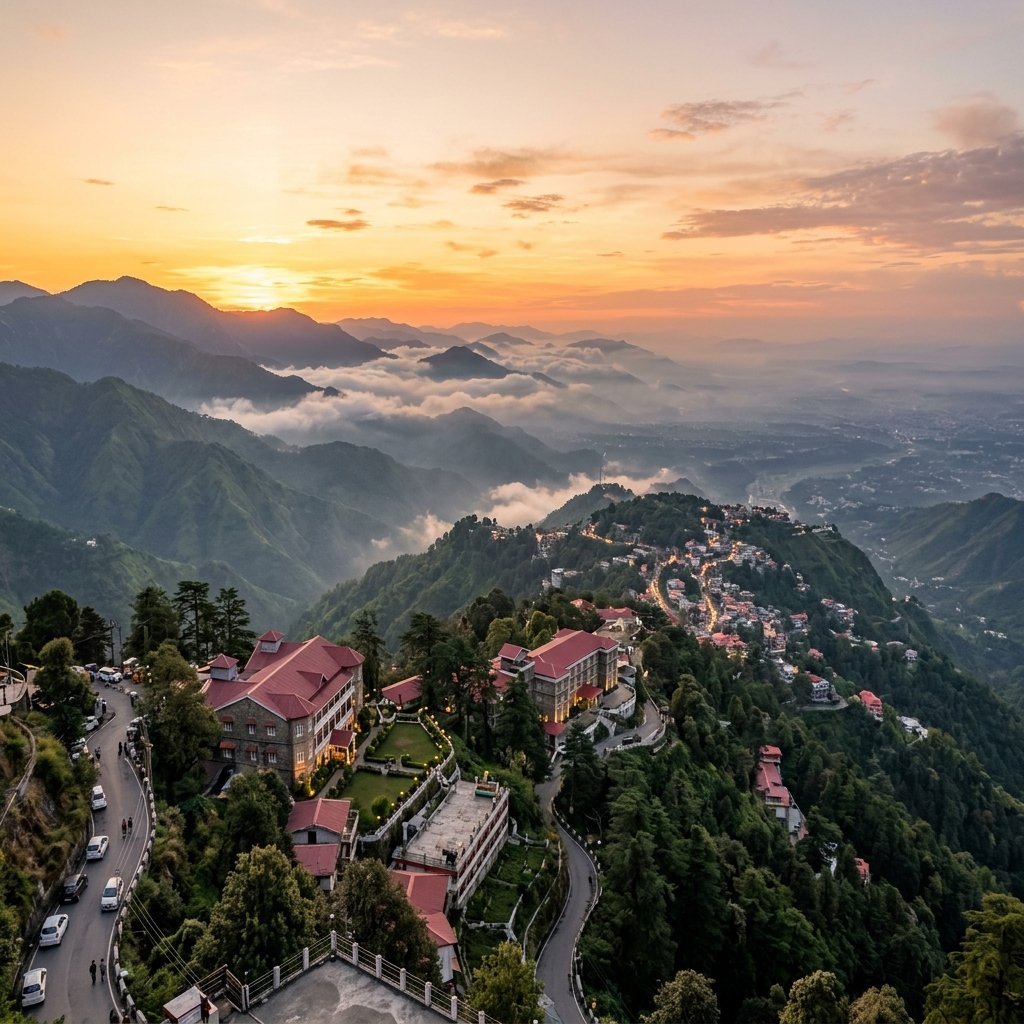
Summer Season Mussoorie Hill Station
March to June

Summer

Valley Temp: 20°C – 35°C
Hills: 12°C – 25°C
Best For: Char Dham Yatra, Hill Stations (Mussoorie, Nainital, Ranikhet), Family Vacations, River Rafting in Rishikesh.
Status: Peak Tourist Season. Advance bookings essential for hotels and yatra permits.
Monsoon Season Valley of Flowers
July to August

Monsoon

Valley Temp: 22°C – 30°C
Hills: 15°C – 22°C
Best For: Valley of Flowers in 300+ wildflower blooms, roaring waterfalls, misty hills, budget tranquil escapes.
Status: Off-Peak & Rain. Watch IMD advisories; river rafting remains closed.
Autumn Season Himalayan Views Binsar
September to November

Autumn

Valley Temp: 15°C – 28°C
Hills: 8°C – 20°C
Best For: High-altitude treks (Har Ki Dun, Kuari Pass, Roopkund), crystal-clear Himalayan views, post-monsoon Char Dham.
Status: Photographer's Paradise. Crisp cloudless skies and pleasant crisp days.
Winter Season Skiing in Auli
December to February

Winter

Valley Temp: 8°C – 20°C
Hills: -5°C – 12°C
Best For: Snowfall, Skiing & Snowboarding in Auli, winter treks (Kedarkantha, Chopta), tranquil hill stations.
Status: Snow Holiday Season. Heavy woolens, thermals, and down jackets mandatory.
Comprehensive Data

Month-by-Month Climate & Travel Matrix

Compare weather patterns, average temperature ranges, precipitation levels, road accessibility, and crowd trends across all 12 calendar months in Uttarakhand.

Month Season Avg Valley Temp Avg High-Altitude Temp Rainfall Snow Chance Road Status Crowd Level Signature Experiences
January Peak Winter 7°C – 18°C -6°C – 5°C Low (25 mm) High (Above 2,200m) Good (Snow clearance active) Moderate Skiing in Auli, Kedarkantha snow trek, Mussoorie winterline.
February Late Winter 9°C – 21°C -4°C – 8°C Low (30 mm) Moderate (Above 2,500m) Open & Clear Moderate Auli National Ski Championship, Jim Corbett wildlife, Dhanaulti snow.
March Early Spring 14°C – 26°C 2°C – 15°C Low (25 mm) Low (High peaks only) Excellent Increasing Rhododendron blooms, Rishikesh Yoga Festival, white-water rafting.
April Spring/Summer 18°C – 32°C 7°C – 20°C Low (20 mm) None in towns Excellent High Baisakhi celebrations, Char Dham portals opening preparations, Nainital boating.
May Peak Summer 22°C – 37°C 12°C – 25°C Moderate (40 mm) None Open (High traffic) Peak High Char Dham Yatra in full swing, pleasant hill station weather, Corbett safaris.
June Pre-Monsoon 24°C – 38°C 14°C – 26°C Moderate to High (120 mm) None Open (Occasional showers) Peak High Escape heat of Delhi/NCR, Hemkund Sahib pilgrimage, Chopta camping.
July Monsoon 23°C – 32°C 14°C – 22°C High (380 mm) None Caution (Landslide alerts) Low (Off-season) Valley of Flowers carpet blooms, dramatic monsoon waterfalls, budget stays.
August Monsoon Peak 23°C – 31°C 13°C – 21°C High (410 mm) None Caution (Follow SDRF) Low to Moderate Peak wildflower blooming in Valley of Flowers, lush green bugyals, misty hillscapes.
September Post-Monsoon 20°C – 30°C 10°C – 20°C Moderate (150 mm) None Stabilizing & Clearing Moderate Himalayan view clarity begins, Nanda Devi Raj Jat folklore, river rafting resumes.
October Crisp Autumn 16°C – 27°C 5°C – 17°C Very Low (15 mm) High passes frost Excellent High Best month for high-altitude trekking (Har Ki Dun, Kuari Pass), post-monsoon Char Dham.
November Early Winter 11°C – 23°C 0°C – 13°C Very Low (10 mm) Early snowfall on high peaks Excellent Moderate Char Dham portals close for winter, Corbett Dhikala zone opens, pristine crisp skies.
December Winter Onset 8°C – 19°C -3°C – 8°C Low (15 mm) High (Late Dec snowfall) Open (Morning fog in plains) High (Year-end) Christmas & New Year in Mussoorie/Nainital, winter snow treks, peaceful temples.
March to June

Summer in Uttarakhand: Hill Retreats & Char Dham Yatra

Summer is universally considered the most popular time to visit Uttarakhand. While the plains of northern India swelter under 40°C+ heatwaves, hill stations like Mussoorie, Nainital, Ranikhet, Almora, Kausani, and Lansdowne enjoy delightfully cool daytime temperatures between 18°C and 26°C. The alpine meadows are bathed in sunshine, valleys are adorned with scarlet rhododendron flowers, and all mountain passes are fully open.

Crucially, summer heralds the sacred opening of the Char Dham Yatra (Yamunotri, Gangotri, Kedarnath, and Badrinath) around late April or early May. Hundreds of thousands of devotees, trekkers, and spiritual seekers travel to the high Himalayas. Jim Corbett National Park and Rajaji National Park offer the highest probability of Bengal tiger and Asian elephant sightings, as animals gather around shrinking waterholes.

Insider Summer Tip: May and June see peak holiday congestion. Book hotels, Char Dham biometric registration, and UTC Volvo bus tickets at least 4 to 6 weeks in advance. Start early in the morning to avoid ghat road traffic.
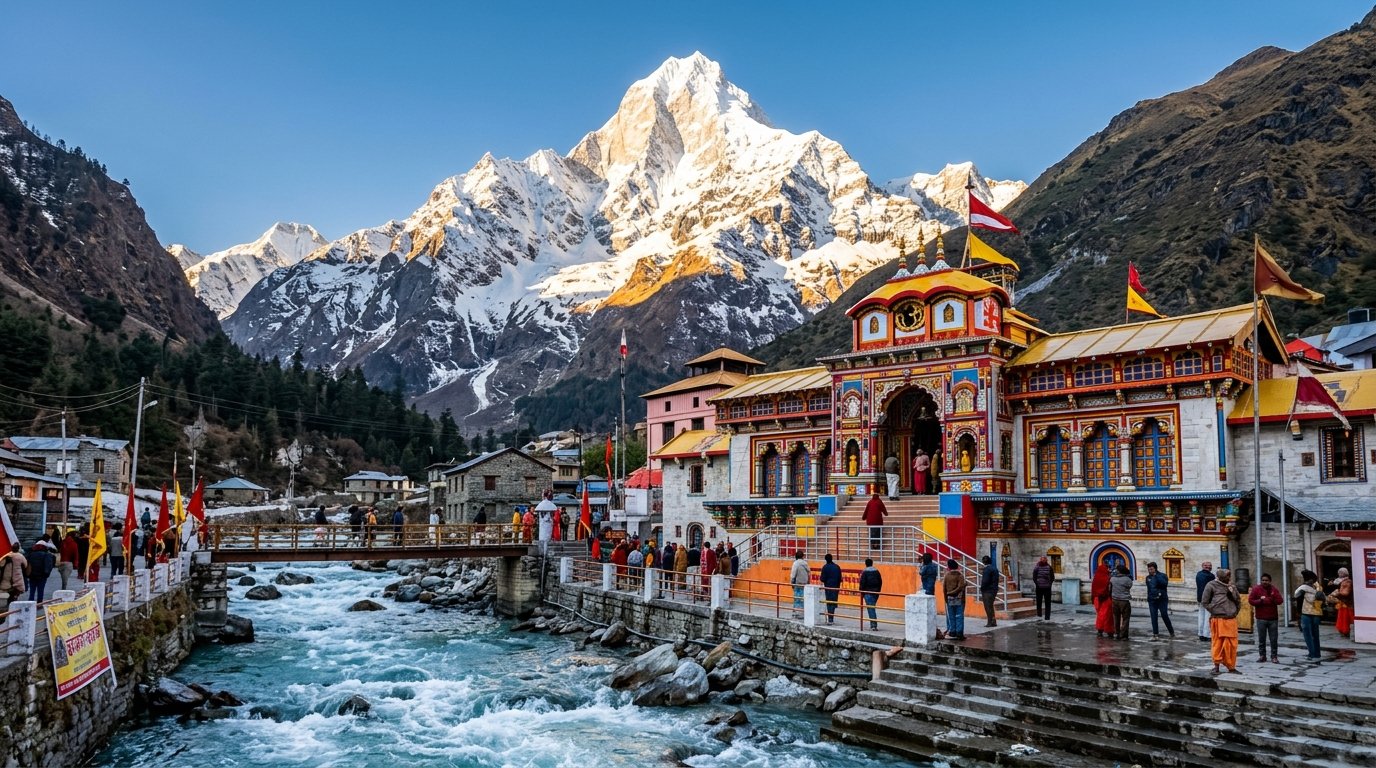
Badrinath Neelkanth Peak in Summer
July to August

Monsoon in Uttarakhand: Wildflowers, Waterfalls & Mist

The South-West monsoon brings heavy rainfall to Uttarakhand, transforming the mountains into a vibrant, emerald wonderland. While travelers must exercise vigilance regarding landslides on fragile river gorge routes, the monsoon holds legendary appeal for botanists, nature lovers, and offbeat explorers.

This is the only season when the UNESCO World Heritage Valley of Flowers National Park bursts into kaleidoscopic bloom, showcasing more than 300 rare alpine wildflower species including the mythical Blue Poppy, Cobra Lily, and Brahma Kamal. Waterfalls like Kempty, Tiger Falls, Corbett Falls, and Vasudhara roar with thunderous power. Hill towns like Lansdowne, Mussoorie, and Nainital are shrouded in romantic swirling mists, and luxury resorts offer up to 40% off-season discounts.

Monsoon Safety Rules: Always monitor real-time weather advisories from the India Meteorological Department (IMD) and Uttarakhand State Disaster Response Force (SDRF). Avoid traveling during Red or Orange rain alerts. Read our comprehensive Monsoon Weather Safety Guide for detailed route advisories.
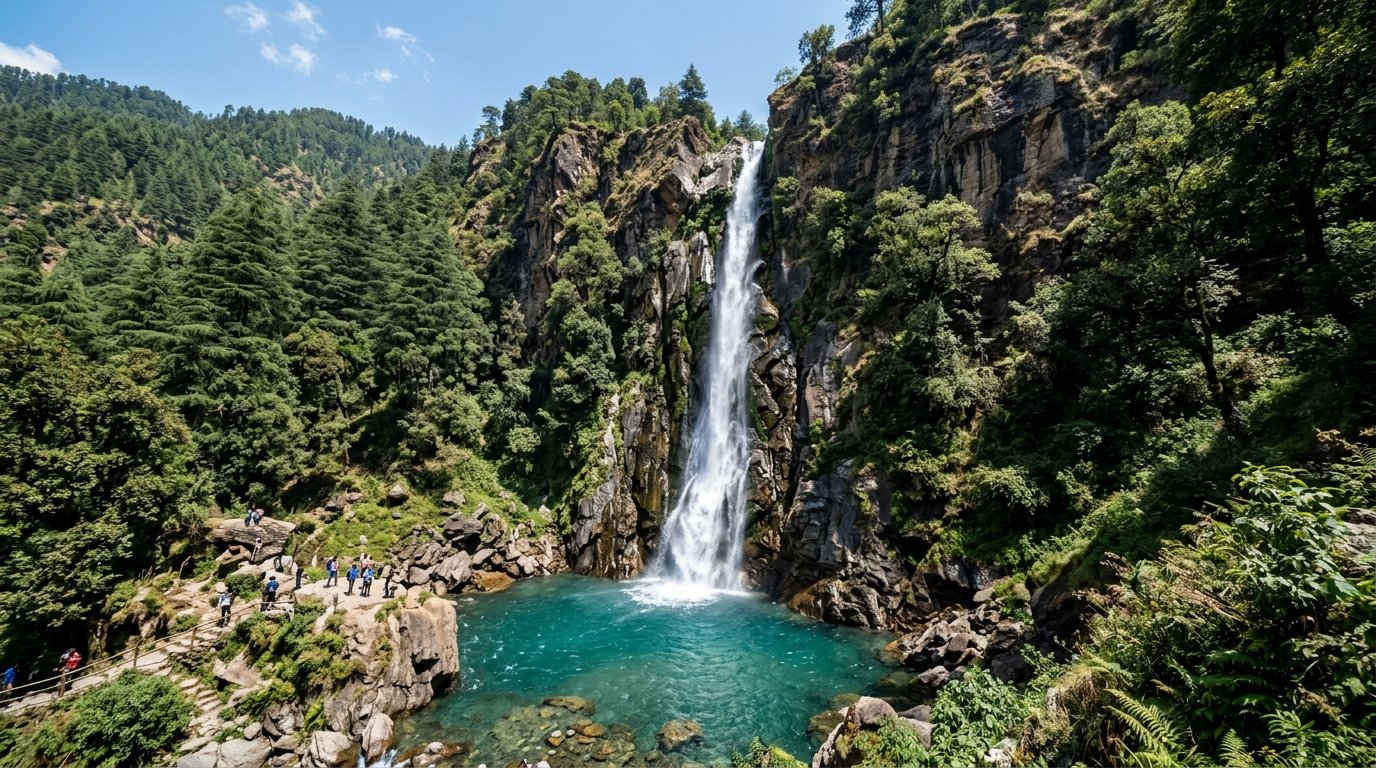
Chakrata Tiger Falls in Monsoon
September to November

Autumn in Uttarakhand: Golden Skies & Premier Trekking

Following the retreat of the monsoon rains in mid-September, Uttarakhand enters what seasoned mountaineers and photographers revere as the finest season of all. The air is remarkably clear, scrubbed clean of all dust and humidity. The majestic Himalayan skyline—featuring Nanda Devi, Trishul, Chaukhamba, Shivling, and the Panchachuli peaks—is visible with razor-sharp clarity from vantage points like Binsar, Kausani, Auli, and Chopta.

Autumn is the premier window for classic Himalayan treks like the Har Ki Dun Trek, Kuari Pass Trek, Roopkund Trek, Dayara Bugyal, and Pangarchulla Peak. The mountain trails are dry, the meadows take on a rich golden hue, and daytime temperatures remain delightfully crisp (15°C to 22°C). Furthermore, visiting the Char Dham temples in September and October allows pilgrims to pay homage in a calm, uncrowded spiritual atmosphere compared to the intense summer rush.

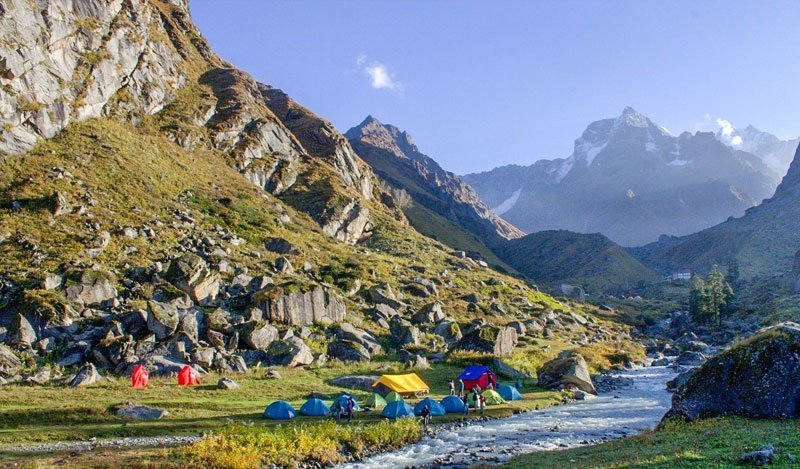
Har Ki Dun Trek Autumn View
December to February

Winter in Uttarakhand: Snowfall, Skiing & Winter Char Dham

Winter transforms the higher elevations of Uttarakhand into a breathtaking, snow-clad alpine wonderland. Destinations situated above 2,200 meters—such as Auli, Chopta-Tungnath, Dhanaulti, Chakrata, Munsyari, Kanatal, and Harsil—regularly receive abundant snowfall between late December and mid-February.

Auli transforms into India’s premier ski resort, boasting world-class slopes, chairlifts, and international ski competitions. Winter trekking has experienced a massive surge in popularity, with beginners and enthusiasts flocking to the snow-covered trails of Kedarkantha, Chopta Chandrashila, Dayara Bugyal, and Nag Tibba.

While the high-altitude shrines of Char Dham close due to heavy snow, their sacred deities are ceremonially brought down to their accessible winter seats: Lord Kedarnath at Omkareshwar Temple in Ukhimath, Lord Badrinath at Narsingh Temple in Joshimath, Goddess Gangotri at Mukhba, and Goddess Yamunotri at Kharsali. Devotees can easily undertake the spiritually auspicious "Winter Char Dham Yatra" without facing sub-zero road closures.
Kedarnath Winter Snow Peak
Trip Planner

Best Time to Visit by Activity

Match your holiday calendar with the precise seasonal windows for top outdoor sports, pilgrimage circuits, and cultural experiences.

Travel Purpose / Activity Ideal Months Key Locations What to Expect
Char Dham Pilgrimage May – June & Sep – Oct Yamunotri, Gangotri, Kedarnath, Badrinath May-Jun brings pleasant daytime weather; Sep-Oct offers thin crowds and clear crisp skies. Portals closed Dec-Apr.
Snowfall & Skiing Late Dec – Mid Feb Auli, Chopta, Dhanaulti, Chakrata, Munsyari Sub-zero nighttime temperatures, powdery snow cover, functioning ski lifts in Auli, winter snow carnivals.
High-Altitude Trekking May – June & Sep – Nov Har Ki Dun, Kuari Pass, Roopkund, Bagini Stable weather, open mountain passes, clear views of the Greater Himalayan peaks, dry camping trails.
White-Water River Rafting Oct – Mid Jun (Closed Monsoon) Rishikesh (Shivpuri, Marine Drive, Kaudiyala) Grade III to IV rapids on the holy Ganga. Peak season is March-April and October-November. Totally banned in monsoon.
Wildlife & Tiger Safaris Nov 15 – Jun 15 Jim Corbett National Park, Rajaji Reserve Dhikala zone open mid-Nov to mid-Jun. March to May is best for tiger spotting as foliage thins out near waterholes.
Alpine Flower Watching Mid July – Late August Valley of Flowers, Hemkund Sahib, Pindari Over 300 wildflower varieties in peak botanical bloom across the glacial river bed. Monsoon rain gear required.
Spiritual Retreats & Yoga Sep – Apr (Spring & Autumn) Rishikesh, Haridwar, Almora, Kainchi Dham Pleasant weather for ashram living, meditation, evening Ganga Aarti ceremonies, and riverside yoga sessions.
Practical Travel Advisory

Important Guidelines for Domestic & Foreign Travelers

Planning a journey from overseas or another Indian state requires attention to seasonal logistics and transport connectivity:

  • International Flight Connections: International visitors should fly into Indira Gandhi International Airport (DEL), New Delhi. From Delhi, you can take a 45-minute domestic connecting flight to Jolly Grant Airport (DED), Dehradun, or board the rapid Delhi-Dehradun Vande Bharat Express train (4 hrs 45 mins).
  • Clothing Layering: Himalayan weather shifts dramatically between day and night. Even during May and June, high-altitude temples like Kedarnath and Badrinath plummet to 2°C – 6°C after sunset. Always carry a 3-layer system: moisture-wicking base layer, warm fleece mid-layer, and windproof/waterproof down jacket.
  • Inner Line Permits (ILP): Foreign nationals and domestic tourists traveling to remote border areas (such as Milam Glacier, Darma Valley, Niti Valley, and Nelang Valley) must obtain an Inner Line Permit from local District Magistrates.
  • Cash & Connectivity: While UPI and digital payments work in foothill cities like Dehradun, Haridwar, and Rishikesh, cellular connectivity can be sporadic in high mountain valleys. Always carry sufficient Indian Rupee (INR) cash and rely on BSNL, Jio, or Airtel networks.
Himalayan Advisory for Visitors
Frequently Asked Questions

Frequently Asked Questions: Uttarakhand Weather

Common queries regarding seasonal timings, road conditions, rainfall risks, and packing necessities.

If you desire pleasant weather, sightseeing, and temple visits, May and October are widely considered the two best months. May is ideal for escaping the blistering heat of the plains and embarking on Char Dham Yatra. October offers crisp, post-monsoon crystal-clear views of the snow-capped Himalayan peaks and the best conditions for high-altitude trekking.

Snowfall begins in late December and continues through mid-February. The most dependable snowfall destinations are Auli (famous for skiing), Chopta, Dhanaulti, Chakrata, Munsyari, and high mountain passes like Jalori and Kuari. Towns like Mussoorie and Nainital also receive snowfall occasionally during intense January western disturbances.

Yes, but caution and flexible itineraries are essential. Foothill cities and ridge stations like Dehradun, Rishikesh, Mussoorie, Lansdowne, and Nainital are generally safe. However, deep mountain gorge roads on the Char Dham circuit are prone to seasonal landslides. Always monitor the India Meteorological Department (IMD) weather alerts, avoid traveling at night, and check local SDRF road updates.

The iconic Dhikala and Bijrani safari zones open annually on November 15 and close on June 15. The winter months (November to February) are fantastic for birdwatching and pleasant open-gypsy safaris. The hotter summer months (March to May) offer the highest likelihood of spotting Bengal tigers as they congregate around the Ramganga River and artificial waterholes.

River rafting on the holy Ganga in Rishikesh operates from late September until mid-June. The peak months are October to November and March to May, when the water is turquoise and weather is warm. Rafting is strictly prohibited by government regulations during the monsoon months (July, August, and early September) due to swelling river levels and high rapids.

For foothill towns like Dehradun, Rishikesh, and Haridwar, pack lightweight cotton clothes and sunscreen. For hill stations like Nainital and Mussoorie, bring comfortable casual wear with a light jacket or shawl for evenings. If traveling to high-altitude pilgrimage sites like Kedarnath, Badrinath, or undertaking high treks, heavy woolens, thermal innerwear, and windproof jackets are mandatory even in June.

Plan Your Uttarakhand Journey Today

Have questions about season-wise mountain itineraries, train reservations, or Char Dham Yatra registration? Connect directly with our Himalayan travel specialists on WhatsApp.

Send Enquiry