Glacial Torrents & Emerald Pools

Waterfalls in Uttarakhand

From the sheer 400-foot glacial spray of Vasudhara near the Tibetan frontier to the hidden deodar gorges of Tiger Falls in Chakrata. Explore Uttarakhand's most spectacular natural cascades.

10+ Major Cascades
Glacial Plunges Above 3,000m
Forest Trek Trails
Monsoon Photo Havens
Hydrological Wonders

Where Glaciers Leap Off Granite Cliffs

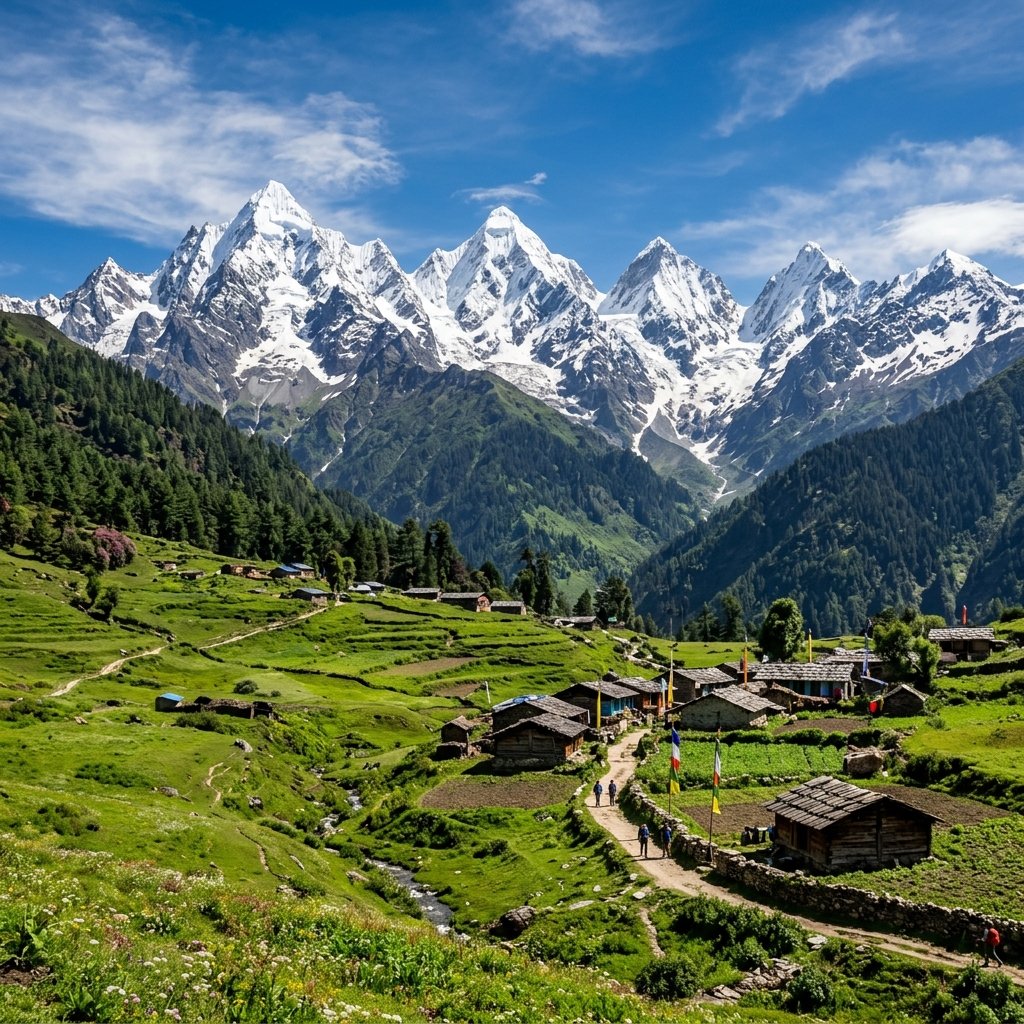
Born from the melting snowcaps of the Greater Himalayas and fed by lush subtropical cloud forests, Uttarakhand’s waterfalls are among the cleanest and most awe-inspiring in South Asia.

Natural Splendor

Diverse Landscapes, Pure Mountain Waters

In the upper glacial reaches of Chamoli and Pithoragarh, waterfalls like Vasudhara and Birthi drop directly out of hanging valleys sculpted by ancient glaciers, creating thunderous mist clouds in the crisp alpine air.

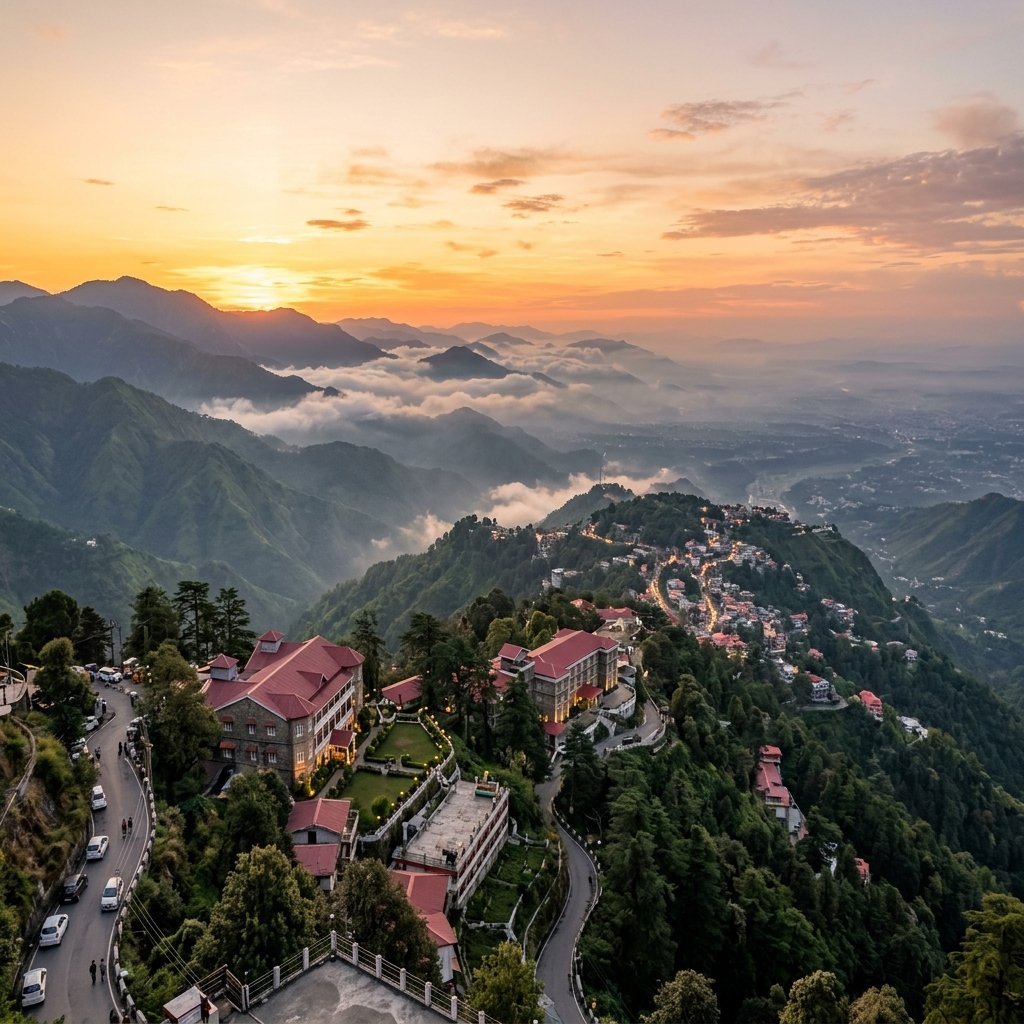
Down in the middle Shivalik hills of Dehradun, Rishikesh, and Mussoorie, cascades like Tiger Falls, Kempty, and Neer Garh flow through terraced limestone gorges, surrounded by moss-draped deodar pine trees and crystal jade plunge pools ideal for rejuvenation.
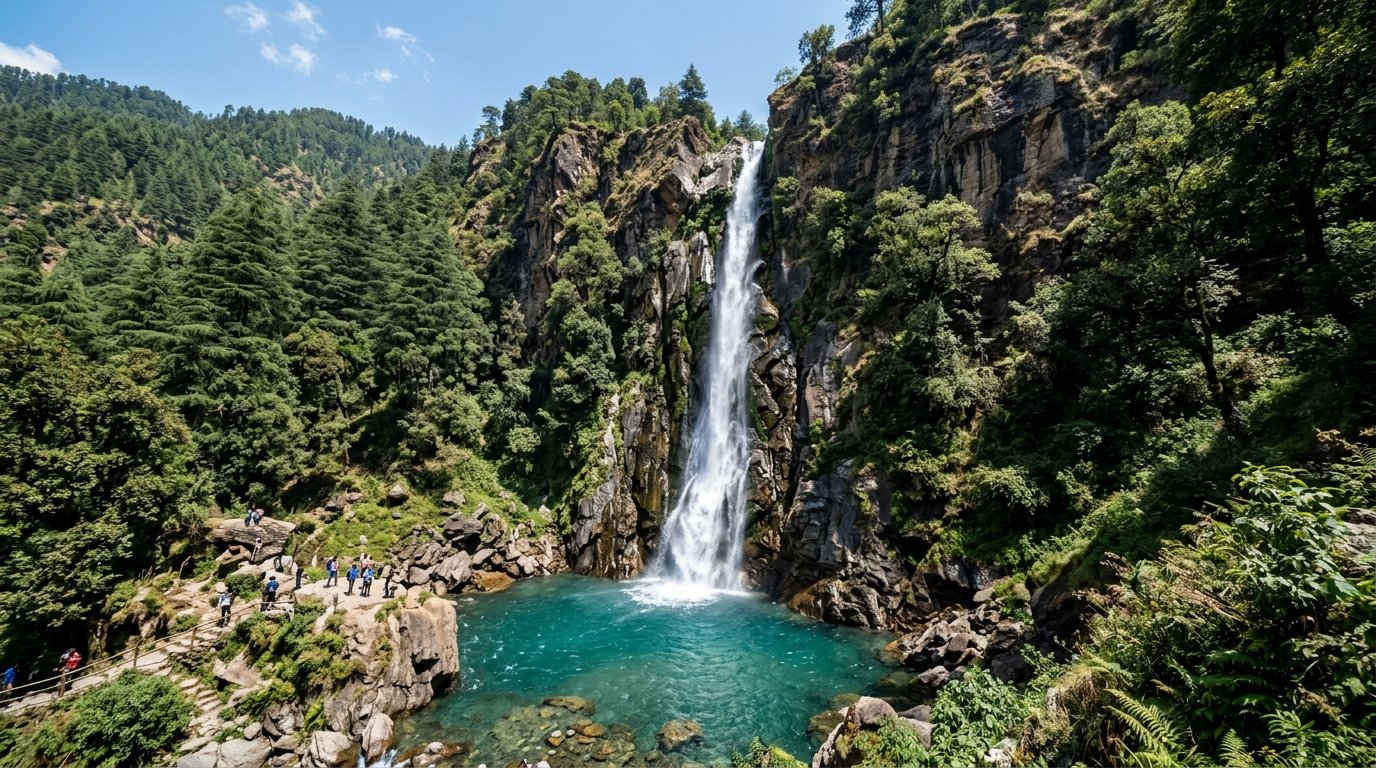
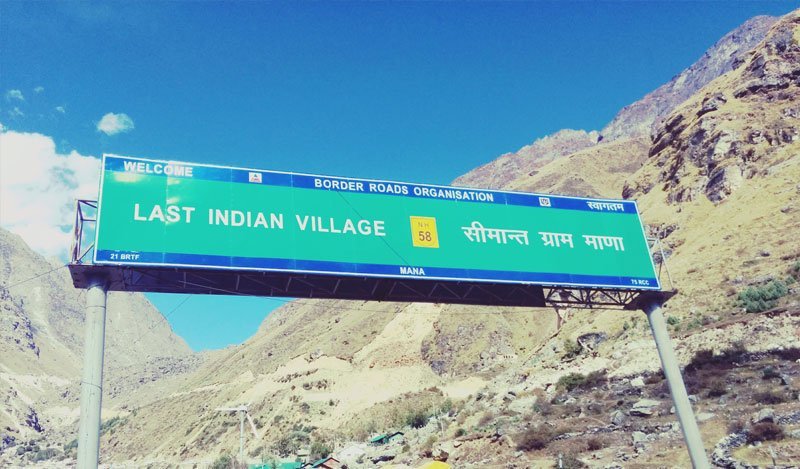
Tiger Falls Chakrata Gorge
Seasonal Advisory

When to Experience Uttarakhand's Waterfalls

Understanding water volume, seasonal trails, and photography light conditions throughout the year.

Season Months Water Flow Status Accessibility & Trail Condition Recommended Waterfalls
Monsoon Peak July – August Maximum / Thunderous Volume Exercise caution; slippery rocky tracks; check IMD alerts. Tiger Falls, Corbett Falls, Birthi Falls
Post-Monsoon (Best) September – October High & Crystal Clear Prime trekking conditions, clear blue skies, dry paths. Vasudhara Falls, Neer Garh, Bhatta Falls
Spring & Summer March – June Moderate / Refreshing Warm sunny days; perfect for wading and family escapes. Kempty Falls, Neer Garh, Patna Falls
Winter December – February Low / Frozen spray Chilly; high altitude falls like Vasudhara partially freeze into ice icicles. Corbett Falls, Sahastradhara, Neer Garh
Trek Safety Protocols

Important Safety Rules for Waterfall Visitors

Mountain waterfalls are dynamic ecosystems requiring respectful precautions:

  • Footwear: Always wear hiking shoes with deep rubber lug soles. Wet river rocks accumulate slippery green moss.
  • Flash Floods: If river water turns muddy upstream or rain begins on mountain heights, immediately exit the riverbed. Mountain flash floods travel swiftly down narrow rock clefts.
  • Zero Plastics: All waterfall zones in Uttarakhand are strict eco-fragile plastic-free belts. Carry your trash back to towns.
  • Trek Permits: High altitude falls like Vasudhara require no special permit, but visitors must register at the Mana police checkpost.
Mountain Waterfall Safety in Uttarakhand
Frequently Asked Questions

Frequently Asked Questions: Waterfalls

Everything you need to know about planning visits to Uttarakhand's waterfalls.

Vasudhara Falls near Mana Village (Badrinath) and Birthi Falls near Munsyari both drop nearly 400 feet (122 m). Tiger Falls in Chakrata is the highest direct, un-tiered plunge fall at 312 feet (95 m).

The ideal time is from July to October. During the monsoon and post-monsoon months, glacial melt and rains feed these cascades to peak volume, creating thunderous roars and lush emerald surroundings.

The trek is moderately easy for reasonably fit travelers. It spans 6 km from Mana Village along a gentle boulder-strewn path. Because it is situated at 3,600 meters altitude, walking slowly to acclimatize is recommended.

Neer Garh, Patna, and Garud Chatti waterfalls are located just 5 to 9 km from Rishikesh. In Dehradun, Sahastradhara, Shikhar Falls, and Bhatta Falls (on the Mussoorie route) are within a 30 to 45-minute drive.

Plan a Waterfall Trek in Uttarakhand

Need custom itineraries for Tiger Falls, Vasudhara, or hidden cascades in Kumaon? Chat with our local trekking specialists.

Send Enquiry