Central Himalayan Chronicles • 2500 BCE to Present

History & Heritage of Uttarakhand
Sacred Dynasties, Mountain Forts & Living Traditions

Embark on a definitive historical journey across four millennia of Central Himalayan civilization. From prehistoric painted caves and the golden eras of the Katyuri, Chand, and Panwar dynasties, to impregnable mountain fortresses, British colonial hill stations, and the heroic people's struggle for statehood.

4,000+ Years Living History
14 Chapters Dedicated Guides
52 Ancient Garhs Fortresses
50+ Monuments ASI Heritage Sites
Foundations of Devbhumi Civilization

The Four Pillars of Central Himalayan Heritage

Uttarakhand's civilizational identity was forged at the sacred confluence of Vedic asceticism, masterful high-altitude stone architecture, strategic geopolitical fortresses, and fierce democratic spirit.

Sacred Tapobhumi

The spiritual sanctuary of Vedic rishis, mentioned in the Rigveda and Skanda Purana as Kedarkhand and Manaskhand, nurturing the headwaters of Ganga and Yamuna.

Nagara Temple Architecture

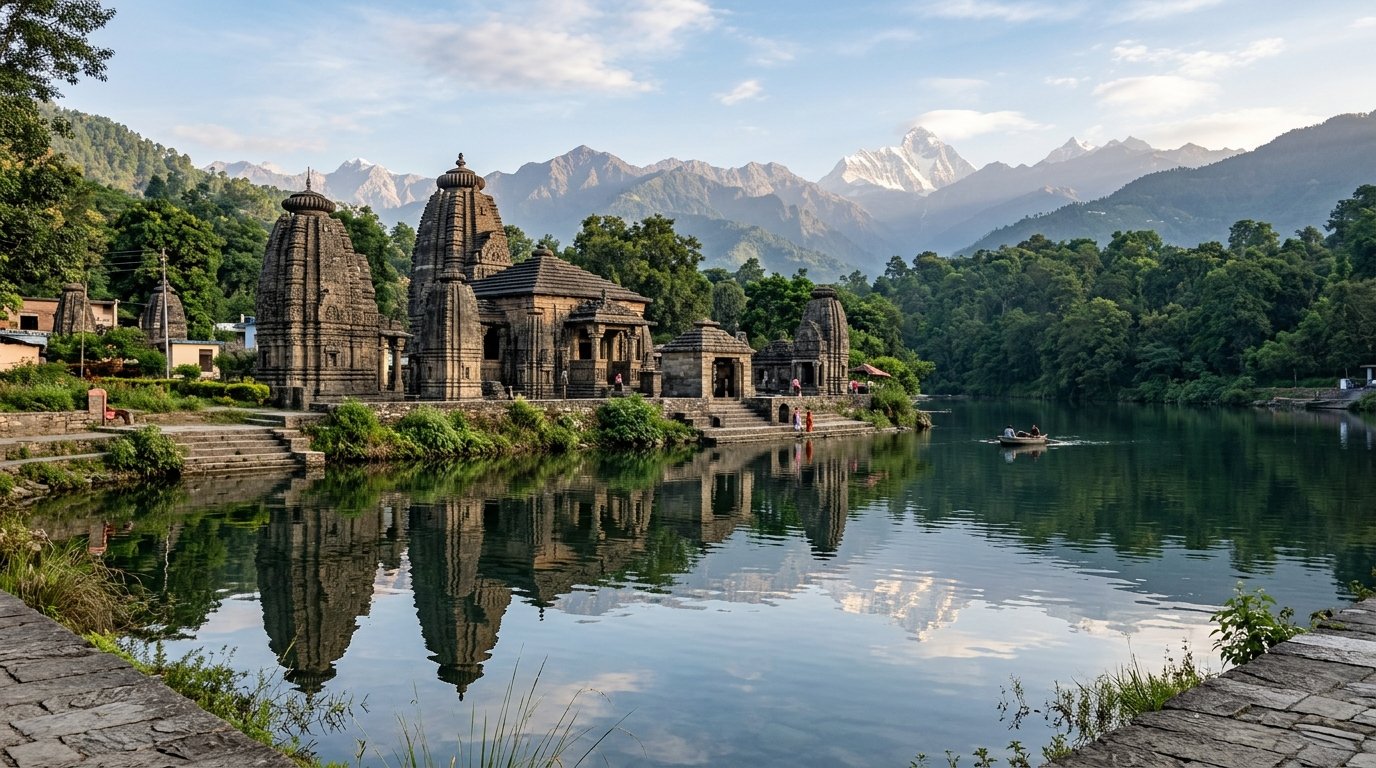
Masterful stone-carved curvilinear spires crafted under the Katyuri and Chand monarchs at Jageshwar, Baijnath, Dwarahat, and Katarmal Sun Temple.

52 Mountain Forts

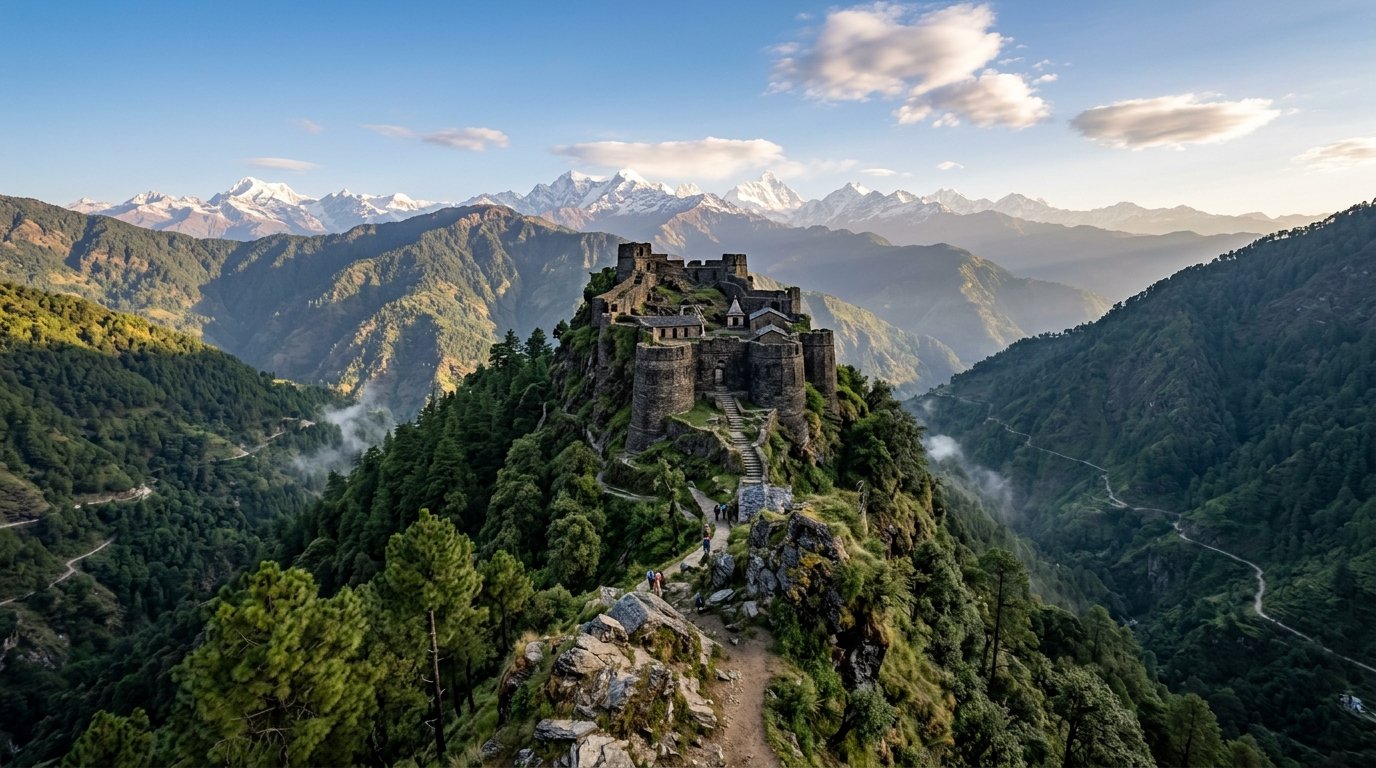
Impregnable clifftop citadels (Garhs) including Chandpur Garhi and Banasur Fort that guarded Himalayan passes against Tibetan raiders and imperial plains armies.

Grassroots Resistance

A continuous tradition of resistance—from the anti-colonial Salt Satyagraha and the Royal Garhwal Rifles refusal to fire on freedom fighters to the Chipko movement and statehood agitation.

Comprehensive Historical Library

Explore the 14 Historical Chapters & Dynasties

Select any chapter below to explore our authoritative research guides featuring archival records, archaeological excavations, chronological tables, and verified historical factsheets.

Overview 01 / 14
History of Uttarakhand Overview

History of Uttarakhand – Overview

Panoramic Survey • 2500 BCE to 21st Century

A comprehensive grand synthesis of the central Himalayan civilization. Explore Vedic spiritual roots, the transition from independent hill clans to classical empires, and the journey toward modern democratic statehood.

  • Kedarkhand & Manaskhand scriptural boundaries
  • Cultural synthesis of Garhwal and Kumaon
  • Chronological era mapping from Stone Age to 2000 CE
Prehistory 02 / 14
Ancient Uttarakhand Rock Art

Ancient Uttarakhand

Prehistoric Times • 2500 BCE – 3rd Century BCE

Discover the earliest human settlements in the Central Himalayas. Featuring the famous Lakhudiyar ochre cave paintings, copper hoard culture, and Emperor Ashoka's monumental 257 BCE Rock Edict inscribed on the banks of Yamuna at Kalsi.

  • Lakhudiyar & Gwarkhya rock shelters
  • Ashoka's Kalsi Rock Edict in Brahmi script
  • Megalithic burial cists in the Almora hills
First Empire 03 / 14
Kuninda Kingdom Amoghbhuti Coins

Kuninda Kingdom

Classical Era • 2nd Century BCE – 3rd Century CE

The first historically verified sovereign state of the Central Himalayas. Learn about King Amoghbhuti, renowned for his sophisticated bilingual silver and copper coinage, thriving trans-Himalayan trade routes, and democratic tribal confederacies.

  • Coins of 'Rajnah Kunindasya Amoghbhutisya'
  • Control over fertile Himalayan river valleys
  • Mention in Mahabharata and Ptolemy's Geography
Temple Golden Age 04 / 14
Katyuri Dynasty Baijnath Temple

Katyuri Dynasty

Classical Era • 7th Century – 11th Century CE

The architectural zenith of Uttarakhand. Ruling first from Kartikeyapura (modern Joshimath) and later the Katyur Valley (Baijnath), the Katyuris constructed legendary stone temple complexes across Jageshwar, Baijnath, and Dwarahat.

  • Vasu Dev & Lalitasuradeva stone inscriptions
  • Iconic Nagara curvilinear spire architecture
  • Consolidation of unified hill administration
Kumaon Royalty 05 / 14
Chand Dynasty of Kumaon

Chand Dynasty of Kumaon

Medieval Era • 953 CE – 1790 CE

Governing Kumaon for nearly a millennium. Established by Som Chand at Champawat's Rajbunga Fort and later relocated to Almora by Kalyan Chand, the Chands nurtured distinctive Kumaoni legal systems, Aipan folk arts, and worship of Maa Nanda Devi.

  • Baz Bahadur Chand & Mughal diplomatic treaties
  • Shift from Champawat to Almora capital in 1560s
  • Rich copper-plate grants and folk governance
Garhwal Royalty 06 / 14
Panwar Dynasty of Garhwal

Garhwal Kingdom & Panwar Dynasty

Medieval • 888 CE – 1949 CE

Founded by Raja Kanak Pal at Chandpur Garhi and united by King Ajay Pal in the 15th century by subjugating all 52 independent Garhs. Later ruling from Srinagar on the Alaknanda, the Panwars fiercely guarded their mountain frontiers.

  • Ajay Pal: The Ashoka of Garhwal
  • Rani Karnavati & the Defeat of Mughal Armies ('Nakti Rani')
  • Patronage of Mola Ram and Garhwal miniature painting
Interregnum 07 / 14
Gorkha Rule in Uttarakhand

Gorkha Rule in Kumaon & Garhwal

Martial Era • 1790 CE – 1815 CE

Following the Battle of Havalbagh (1790) and the Battle of Khurbura (1804), the expansionist Gorkha kingdom governed the hill country under military Subedars, establishing stringent taxation before clashes with the British East India Company.

  • General Amar Singh Thapa's administrative system
  • Fall of Raja Pradyumna Shah at Dehradun
  • Heavy martial garrisons across mountain citadels
Colonial Era 08 / 14
British Rule in Uttarakhand

British Rule in Uttarakhand

Colonial Era • 1815 CE – 1947 CE

Enacted under the 1815 Treaty of Sugauli. The British partitioned the hills into British Garhwal, Kumaon Division, and the princely state of Tehri. They founded iconic hill sanatoriums (Mussoorie, Nainital, Ranikhet) and codified forestry laws.

  • Commissioners Gardner, Traill, and Ramsay ('Ramji')
  • Introduction of Himalayan tea plantations and roads
  • Forest land seizures sparking early forest satyagrahas
Hill Principality 09 / 14
Tehri Princely State

Tehri Princely State (Tehri Riyasat)

Sovereign State • 1815 CE – 1949 CE

Following the Anglo-Nepalese war, Raja Sudarshan Shah rebuilt the royal capital at Old Tehri (at the confluence of Bhagirathi and Bhilangna). The riyasat maintained internal sovereignty until its peaceful merger with independent India in August 1949.

  • Founding of modern Narendra Nagar capital
  • Praja Mandal movement led by martyr Sridev Suman
  • Peaceful accession under Maharaja Manabendra Shah (1949)
National Struggle 10 / 14
Freedom Movement in Uttarakhand

Freedom Movement in Uttarakhand

Anti-Colonial Resistance • 1857 CE – 1947 CE

Himalayan patriots wrote legendary chapters of Indian independence. Features the Kumaon Parishad, the Salt Satyagraha ('Bardoli of Kumaon'), and the historic 1930 Peshawar Incident where Veer Chandra Singh Garhwali refused to fire upon unarmed civilians.

  • Veer Chandra Singh Garhwali & Royal Garhwal Rifles
  • Badri Dutt Pandey & the Coolie Begar abolition (1921)
  • Govind Ballabh Pant & INA soldiers from the hills
Statehood Struggle 11 / 14
Uttarakhand Statehood Movement

Uttarakhand Statehood Movement

Democratic Agitation • 1979 CE – 2000 CE

The epic grassroots civil movement for regional self-determination. Spearheaded by hill women, students, and ex-servicemen through non-violent protests, enduring state brutalities at Khatima, Mussoorie, and Rampur Tiraha until statehood was won on 9 Nov 2000.

  • Formation of Uttarakhand Kranti Dal (UKD) in 1979
  • 1994 Rampur Tiraha martyrs & mass civil strikes
  • Creation of Uttarakhand as 27th Indian State
Fortresses 12 / 14
Historical Forts of Uttarakhand

Historical Forts & Palaces

Architectural Citadels • 8th – 19th Century CE

An extensive survey of the mountain castles and royal seats that defended Central Himalayan borders. Explore Chandpur Garhi (capital of Panwars), Banasur Fort (Champawat), Lalmandi Fort (Almora), Askot Palace, and Pithoragarh Gorkha Fort.

  • Chandpur Garhi: The birthplace of united Garhwal
  • Rajbunga & Lalmandi Forts of the Chand kings
  • Clifftop defensive architecture & water cisterns
Inscriptions 13 / 14
Archaeological Sites and Inscriptions

Archaeological Sites & Inscriptions

ASI Epigraphy • 257 BCE – 15th Century CE

Primary epigraphic documents that decode Himalayan history. Documenting the Kalsi Ashokan Rock Edict, Taleshwar copper plates, Gopeshwar and Barahat bronze tridents, Katarmal Sun Temple inscriptions, and Baijnath Sanskrit dedications.

  • Taleshwar copper plates revealing Paurava kings
  • Gopeshwar Trident of King Anekamalla (1191 CE)
  • ASI protected monuments & temple epigraphy
Timeline 14 / 14
Historical Timeline of Uttarakhand

Historical Timeline of Uttarakhand

Chronological Directory • 2500 BCE to 2000 CE

A complete chronological master reference indexing all key coronations, peace treaties, architectural commissions, battles, colonial land settlements, and civic movements that defined the historical destiny of Uttarakhand.

  • Year-by-year milestone database across 4,000 years
  • Correlating Garhwal, Kumaon & Pan-Indian events
  • Instant reference tool for researchers & competitive exams
The Flow of Himalayan Time

Milestone Chronology of Central Himalayan History

Trace the defining historical turning points that transformed Devbhumi from an ancient Himalayan hermitage into a dynamic, progressive Indian state.

2500 – 1000 BCE

Prehistoric Caves & Vedic Tapobhumi

Ochre rock paintings created at Lakhudiyar (Almora) and Gwarkhya (Chamoli). Vedic rishis compile early hymns on the banks of Saraswati and Alaknanda.

257 BCE

Emperor Ashoka's Edict at Kalsi

Maurya Emperor Ashoka chisels his Major Rock Edicts in Brahmi script and Prakrit language on a monolithic quartz boulder at Kalsi, promoting Dhamma and animal welfare.

2nd c. BCE – 3rd c. CE

The Kuninda Republic & Amoghbhuti

King Amoghbhuti issues sophisticated silver coins featuring Lakshmi and the deer, consolidating the first documented independent hill republic.

7th – 11th Century CE

The Katyuri Golden Age of Architecture

Monarchs Vasu Dev and Lalitasuradeva construct magnificent Nagara stone temples at Jageshwar Dham, Baijnath, Dwarahat, and Katarmal Sun Temple.

953 – 1790 CE

Chand Dynasty Dominance in Kumaon

Som Chand establishes Rajbunga Fort in Champawat. Later, Kalyan Chand shifts the capital to Almora, patronizing Aipan folk art and mountain warfare.

15th Century CE

Ajay Pal Unites the 52 Garhs of Garhwal

King Ajay Pal subjugates all 52 clifftop chiefdoms, establishing unified Garhwal with its royal capital on the banks of Alaknanda at Srinagar.

1815 CE

Treaty of Sugauli & British Administration

Following the Anglo-Nepalese War, the Gorkhas cede Kumaon and Garhwal. British establish colonial districts, hill sanatoriums, and Tehri Princely State.

1930 CE

Peshawar Incident & Veer Chandra Singh

Veer Chandra Singh Garhwali leads Royal Garhwal Rifles in refusing British orders to fire upon unarmed Pashtun freedom fighters at Qissa Khwani Bazaar.

9 November 2000

Formation of Uttarakhand State

After decades of non-violent popular struggle by students, women, and veterans, the 27th state of India is officially born under the UP Reorganisation Act.

Authoritative Reference Matrix

Comparative Factsheet: Major Rulers & Dynasties

A quick reference guide comparing the founding monarchs, capitals, prominent monuments, and enduring legacies of Uttarakhand's governing powers.

Era / Dynasty Period Capital City Prominent Rulers Iconic Architectural Heritage Enduring Historical Contribution
Kuninda Kingdom 2nd c. BCE – 3rd c. CE Sub-Himalayan Valleys King Amoghbhuti Kalsi trade posts, early coin hoards First documented sovereign hill coinage and trade governance
Katyuri Dynasty 7th – 11th c. CE Kartikeyapura & Baijnath Vasu Dev, Lalitasuradeva Jageshwar cluster, Baijnath, Dwarahat temples Classical Nagara stone temple architecture & Sanskrit copper plates
Chand Dynasty 953 – 1790 CE Champawat → Almora Som Chand, Baz Bahadur Chand Rajbunga Fort, Lalmandi Fort, Baleshwar Temple Kumaoni legal administration, Aipan art, Nanda Devi festival
Panwar Dynasty 888 – 1949 CE Chandpur Garhi → Srinagar Kanak Pal, Ajay Pal, Fateh Shah Chandpur Garhi, Srinagar Palace, Dewalgarh Unification of 52 Garhs, Garhwal painting school (Mola Ram)
Gorkha Rule 1790 – 1815 CE Almora & Dehradun Subas Amar Singh Thapa, Hastidal Chautariya Pithoragarh Fort, Havalbagh Garrisons Military fortifications and unified central Himalayan defense roads
Tehri Princely State 1815 – 1949 CE Old Tehri → Narendra Nagar Sudarshan Shah, Narendra Shah Narendra Nagar Palace, Old Tehri Clocktower Preservation of independent hill royalty and Sanskrit learning until 1949
British Administration 1815 – 1947 CE Nainital & Pauri Gardner, Traill, Ramsay Colonial hill stations, Raj Bhavan Nainital, St. John's Forestry settlement, Himalayan cartography, road and railway links