Home  ·  Destinations  ·  Wildlife Sanctuaries  ·  Binsar Wildlife Sanctuary

Binsar Wildlife Sanctuary

Himalayan Cloud Forest, 200+ Avian Species & 300km Snow Panorama

🏔 1,500m – 2,420m (7,940 ft) Altitude 📍 Almora District 🐾 47.04 sq km Area 🌲 Kumaon Region
Overview

Discovering Binsar Wildlife Sanctuary

47.04 sq km
Sanctuary Area
2,420 m
Zero Point Summit
200+
Avian Species

Why Visit Binsar Wildlife Sanctuary?

🦅 Premier Himalayan Birdwatching Haven with 200+ Avian Species
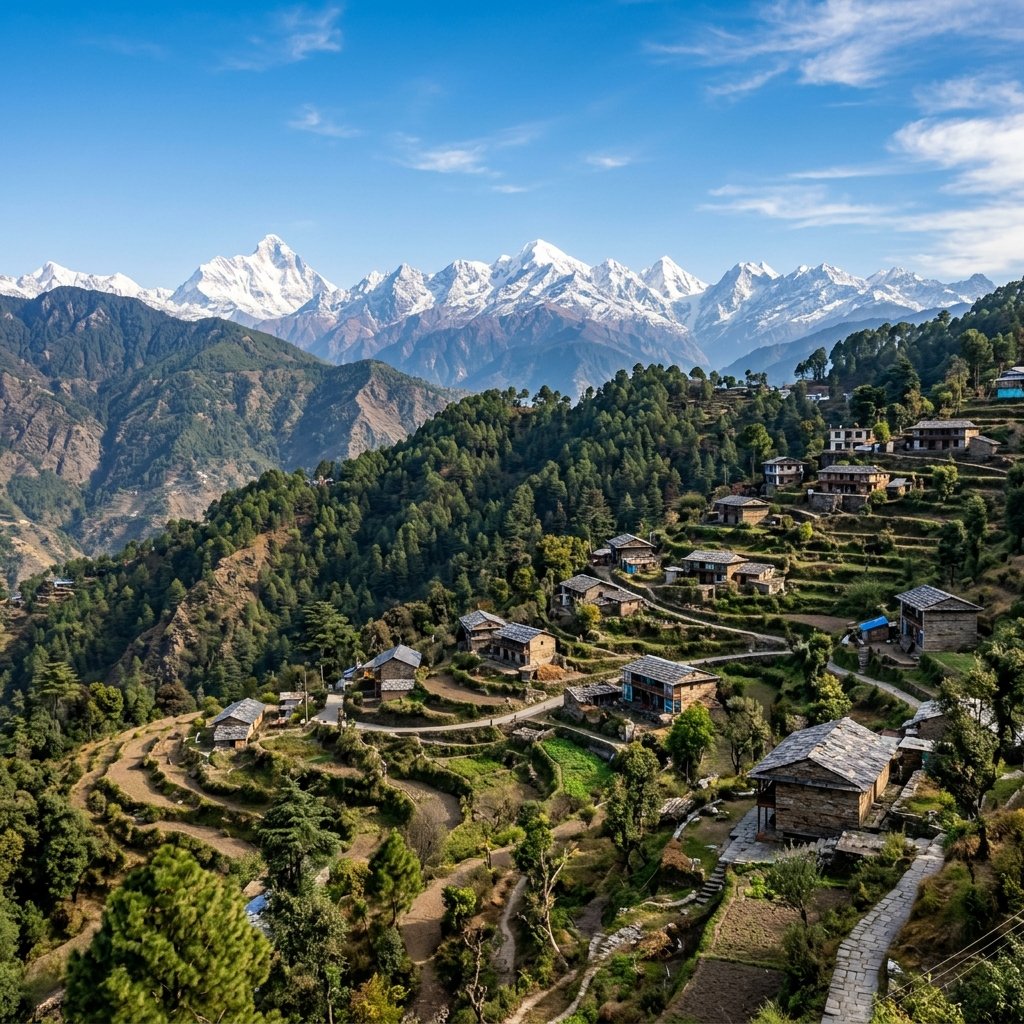
🏔 Zero Point 300km Panoramic Snow Vista of Nanda Devi, Trishul & Kedarnath
🌲 Dense Canopy of Virgin Oak, Rhododendron, Pine & Deodar Cloud Forests
🐆 Habitat for Indian Leopards, Himalayan Black Bears & Barking Deer
🛕 Historic Bineshwar Mahadev Temple Dating to 10th-Century Chand Dynasty
📍 Perched 33 km North of Almora along the Scenic Jhandi Dhar Ridge
Plan Your Safari

Best Time to Visit Binsar Wildlife Sanctuary

⭐

Best months: November–June. The winter season offers crisp sunny days, active big cat movements, and winter bird migrations. Spring and early summer are ideal for spotting herds around rivers and natural forest waterholes.

☀️
Summer
March – June
12°C – 24°C (Delightful weather, blooming red rhododendrons, active birdlife)

Animals congregate around riverbeds and waterholes, providing outstanding opportunities for tiger, leopard, and elephant photography.

🌧️
Monsoon
July – September
15°C – 20°C (Lush green cloud forests, dramatic mist, quiet seclusion)

Vital breeding period and forest rejuvenation. Most core zones remain closed to protect wildlife and allow track regeneration.

❄️
Winter
November – February
0°C – 15°C (Chilly days, sub-zero nights, occasional snowfall, best snow-peak clarity)

The most pleasant weather with cool morning mist, crystal clear skies, active daylight wildlife movement, and hundreds of migratory birds.

Must-See Zones

Top Attractions in Binsar Wildlife Sanctuary

Zero Point Watchtower 300km Himalayan Panorama 01
Zero Point Watchtower
The highest summit in Binsar at 2,420m, offering an awe-inspiring 300km panoramic spectacle of Nanda Devi, Trishul, and Panchachuli peaks.
Read More →
Bineshwar Mahadev Temple 10th-Century Shiva Shrine 02
Bineshwar Mahadev Temple
Ancient Katyuri-style stone shrine built by Chand ruler Kalyan Chand in the 10th century, from which the name Binsar was derived.
Read More →
Mary Budden Estate & Heritage Trails Colonial Forest Retreat 03
Mary Budden Estate & Heritage Trails
Historic 19th-century colonial homestead nestled in 5 acres of virgin oak woods, renowned for conservation, peace, and woodland bird walks.
Read More →
Gairar Golu Devta Temple Temple of Justice 04
Gairar Golu Devta Temple
Sacred mountain shrine dedicated to Golu Devta, revered as the dispenser of divine justice, adorned with thousands of brass bell offerings.
Read More →
Khali Estate & Sunset Point Himalayan Sunset Vista 05
Khali Estate & Sunset Point
Sprawling mountain estate once frequented by Mahatma Gandhi and Pandit Nehru, offering dramatic sunset viewpoints over the Almora valley.
Read More →
Experiences

Things to Do in Binsar Wildlife Sanctuary

Himalayan Birdwatching
01

Himalayan Birdwatching

Spot laughingthrushes, forktails, minivets, and woodpeckers guided by local naturalists through mossy oak branches.

Hike to Zero Point
02

Hike to Zero Point

Trek the gentle 2 km forest path beneath ancient oak canopies to behold India's most celebrated 300km Himalayan snow vista.

Forest Bathing & Nature Walks
03

Forest Bathing & Nature Walks

Embrace Shinrin-yoku with silent nature trails where only rustling leaves, barking deer calls, and birdsong break the stillness.

Stargazing & Astrophotography
04

Stargazing & Astrophotography

Experience pitch-black, zero-light-pollution night skies revealing crisp constellations and the Milky Way from forest rest houses.

Weather & Location

Binsar Wildlife Sanctuary Climate & Map

Binsar Wildlife Sanctuary Weather

Almora · 1,500m – 2,420m (7,940 ft)
Loading live data…
⏳
—
Fetching current weather…
LIVE
Feels Like
—
Humidity
—
Wind
—
Seasonal Weather Summary
🌸
May
24–36°
☀️
Jun
26–38°
🌧️
Aug
22–30°
🍂
Oct
18–28°
🍁
Nov
14–24°
❄️
Jan
8–18°

📍 Binsar Wildlife Sanctuary on the Map

Open in Maps ↗
29.7042° N, 79.7547° E
Almora, Uttarakhand
~1,500m – 2,420m (7,940 ft) elevation
Getting There

How to Reach Binsar Wildlife Sanctuary

🚂

By Train

Kathgodam Railway Station (120 km) is the primary railhead, connected to Delhi, Lucknow, and Kolkata.

🚌

By Bus

Situated 33 km north of Almora on Binsar Road. Direct motorable roads link Delhi (380 km), Nainital (95 km), and Ranikhet (85 km).

🚗

By Road (Self Drive)

Well linked by National Highways with regular taxi services, safari vehicles, and scenic mountain roads.

✈️

By Air

Pantnagar Airport is 152 km away (approx. 4.5 hours drive via Kathgodam and Almora).

Distance from Major Hubs

Almora 33 km · 1 hr
Kausani 55 km · 2 hrs
Jageshwar Dham 60 km · 2 hrs
Nainital 95 km · 3 hrs
Kathgodam 120 km · 4 hrs
Showing 4 places near Binsar Wildlife Sanctuary
No places found for
Practical Info

Safari Tips for Binsar Wildlife Sanctuary

01

Forest Gate Permits: Obtain entry permits and pay vehicle entry fees at the Forest Department Ayarpani checkpoint before driving up.

02

Vehicle Entry Timings: Private vehicles are only permitted entry between sunrise and sunset (approx. 6:00 AM to 6:00 PM); plan your arrival accordingly.

03

Walking is Essential: Binsar is best explored on foot. Vehicles stop at the KMVN parking; the remaining 2 km to Zero Point must be walked.

04

Pack Warm Clothes: Due to the 2,400m altitude and dense forest canopy, evenings and mornings are cold year-round; carry woolens and windbreakers.

05

Bring Good Binoculars: A pair of 8x42 or 10x42 binoculars and a bird field guide will vastly enhance your forest birdwatching experience.

06

Strict Eco-Regulations: No plastic littering, loud sound, or smoking is permitted inside the sanctuary. Respect the quiet sanctity of this protected forest.

FAQ & Travel Info

Binsar Wildlife Sanctuary Safari — Frequently Asked Questions

Essential safari permits, zone details, best visiting seasons, and wildlife advice for Binsar Wildlife Sanctuary.

Binsar is renowned for its protected oak and rhododendron cloud forests, over 200 bird species, and Zero Point which commands a breathtaking 300km unbroken panorama of the Greater Himalayas including Nanda Devi, Trishul, and Panchachuli.
It is situated atop the Jhandi Dhar ridge in the Almora district of Kumaon, Uttarakhand, approximately 33 km north of Almora town and 120 km from Kathgodam railhead.
Vehicles are parked near the KMVN Tourist Rest House inside the sanctuary, from where visitors enjoy a gentle, scenic 2-kilometer nature walk through oak woods to reach the Zero Point watchtower.
Yes, government-run KMVN Tourist Rest House and select eco-lodges are situated within the sanctuary grounds. Advance booking is strongly recommended especially during peak autumn and spring seasons.
The sanctuary shelters Indian leopards, Himalayan black bears, barking deer (kakar), serows, wild boars, flying squirrels, pine martens, and over 200 bird species including the Himalayan Monal.
October to March offers crystal-clear skies with the best views of Himalayan snow peaks, while March to April is magical for blooming crimson rhododendrons and vibrant spring birding.
Final Word

Plan Your Binsar Wildlife Sanctuary Journey

Perched in the high whispering clouds where ancient oaks stand draped in lichen and the golden sun lights up Nanda Devi in celestial fire, Binsar Wildlife Sanctuary is a tranquil sanctuary for the soul. Whether walking silently along bird-thronged trails or taking in the 300-kilometer Himalayan snowline from Zero Point, Binsar remains one of Uttarakhand's most timeless and pristine forest treasures.

Start Planning Your Trip  →

Explore More: Kumaon Wildlife & Parks