Overview & Significance
Elevated above the cloud line at an altitude exceeding 4,000 meters (13,120 feet) within the rugged northern perimeter of the Askot Wildlife Sanctuary, Chiplakot Bugyal is one of the most awe-inspiring and untouched alpine meadow ecosystems in the Indian Himalayas. Spanning vast undulating plateaus of lush velvet grass, vibrant wildflowers, and rocky moraines, Chiplakot is revered not only as a trekker's paradise but also as a sacred sanctuary. At its spiritual heart lies Kedar Kund (also known as Chipla Kedar), a crystal-clear glacial tarn that reflects the towering white summits of the Panchachuli range with supernatural clarity.
Unlike commercialized alpine trails elsewhere in the Himalayas, Chiplakot remains a pristine, wild frontier. There are no permanent tea lodges or cement tracks here. The only pathways are the ancient migratory trails carved over millennia by Bhotiya shepherds (anwals) who drive their flocks of sheep and goats to these nutrient-rich high meadows during the summer thaw.
The journey to Chiplakot Bugyal is an expedition through dramatic ecological transitions. Trekkers journey through dense subtropical oak and rhododendron forests, ascend past ancient stands of silvery birch (Bhojpatra), and emerge onto rolling alpine highlands where endangered Himalayan fauna roam unhindered. For trekkers seeking true solitude, raw Himalayan grandeur, and deep spiritual reverence, Chiplakot offers an unforgettable expedition into the heart of Devbhumi.
Key Highlights of Chiplakot Bugyal & Sacred Lake (Kedar Kund)
- Expansive alpine meadows (*bugyals*) situated at 4,000m altitude with breathtaking 360-degree Himalayan panoramas.
- The sacred glacial tarn of Kedar Kund, venerated by local mountain pilgrims as the high-altitude seat of Lord Shiva.
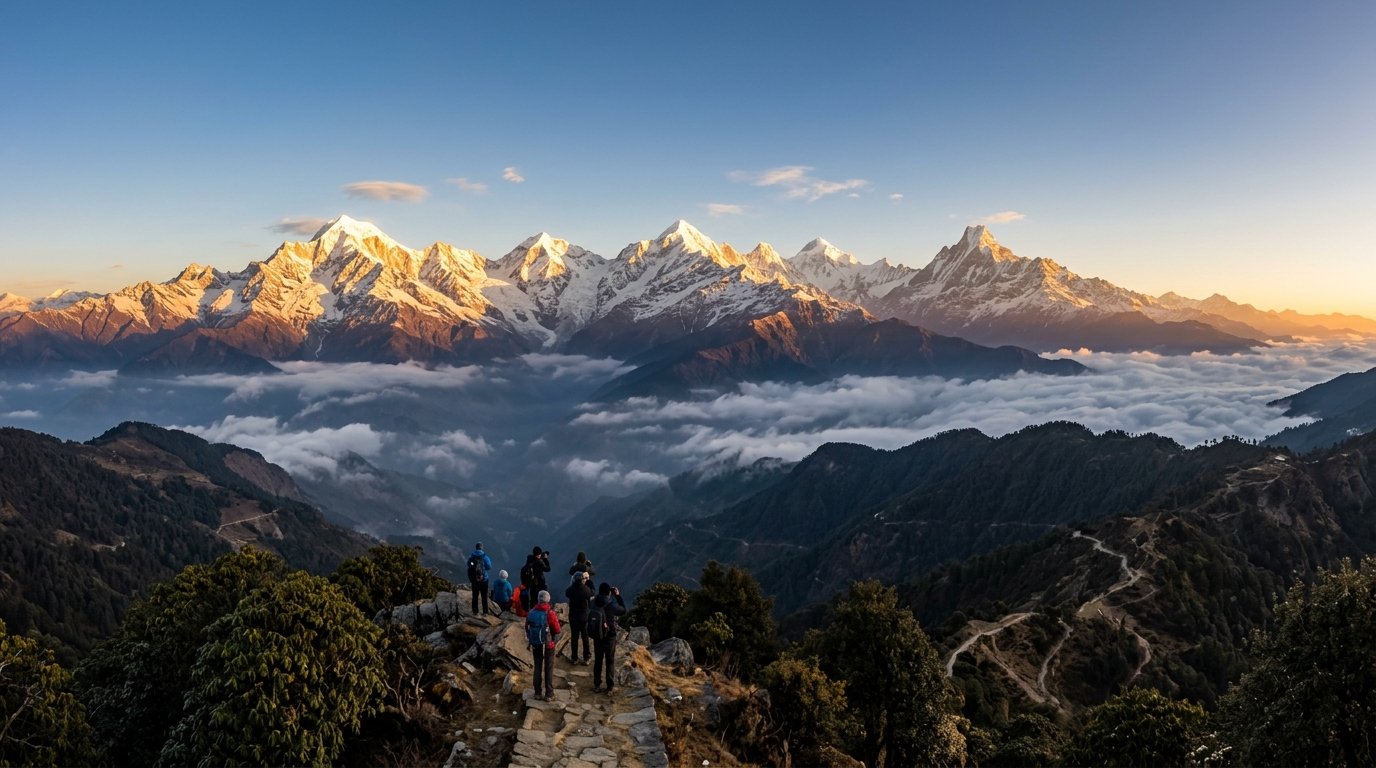
- Unobstructed, dramatic close-up views of the five majestic summits of the Panchachuli range, Rajrambha, and Mount Api in Nepal.
- Prolific wildflower bloom in midsummer featuring rare high-altitude species including Brahma Kamal, Blue Poppy, and Himalayan Primulas.
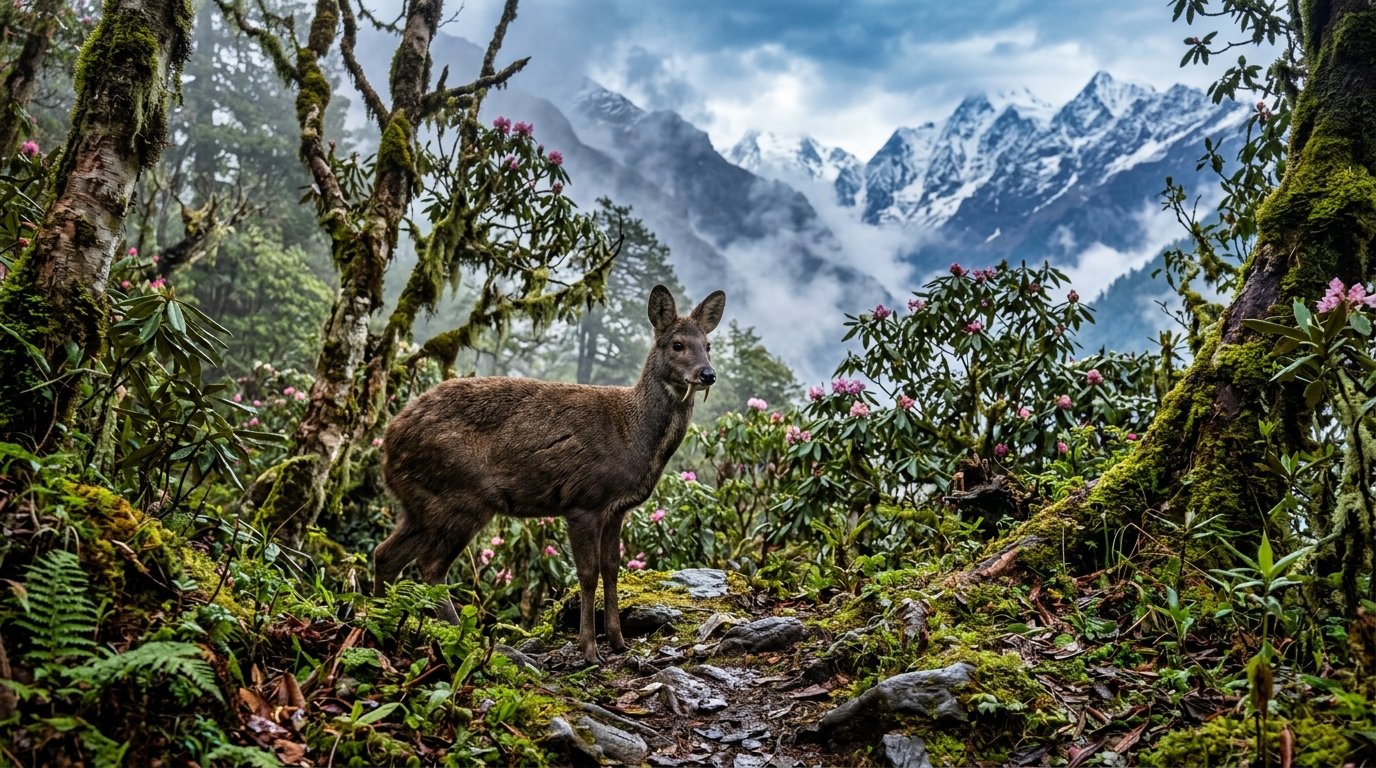
- Prime habitat for high-altitude wildlife including Himalayan Musk Deer, Snow Leopards, Himalayan Tahr, and Golden Eagles.
- Authentic wilderness trekking experience with pristine camping under ultra-clear, light-pollution-free Himalayan night skies.
Historical Background & Heritage
In local Kumaoni folklore, the Chiplakot mountain range is sacred ground. The name Chipla Kedar is associated with Lord Shiva, who is believed to have meditated upon these windswept alpine ridges. Every two to three years, local villagers from across the Gori and Kali valleys undertake the arduous Chipla Jaat Pilgrimage, walking barefoot across steep rock ledges and moraines to perform sacred rituals and take a purifying dip in the icy waters of Kedar Kund.
Historically, Chiplakot served as an important summer grazing commons and trade lookout for the trans-Himalayan Shauka (Bhotiya) traders of the Darma, Johar, and Byans valleys. Shepherds known as Anwals spent four months every year camped in stone shelters (kharkas), harvesting high-value medicinal alpine herbs such as Yartsa Gunbu (Caterpillar Fungus / Keeda Jadi), Kutki, and Jatamansi, which were historically traded at the annual Jauljibi and Bageshwar fairs.
Since the inclusion of the Chiplakot massif within the Askot Wildlife Sanctuary in 1986, the bugyal has been closely monitored by the Uttarakhand Forest Department to balance traditional grazing rights with the conservation of endangered ungulates and fragile alpine peatlands.
Geographical Setting & Features
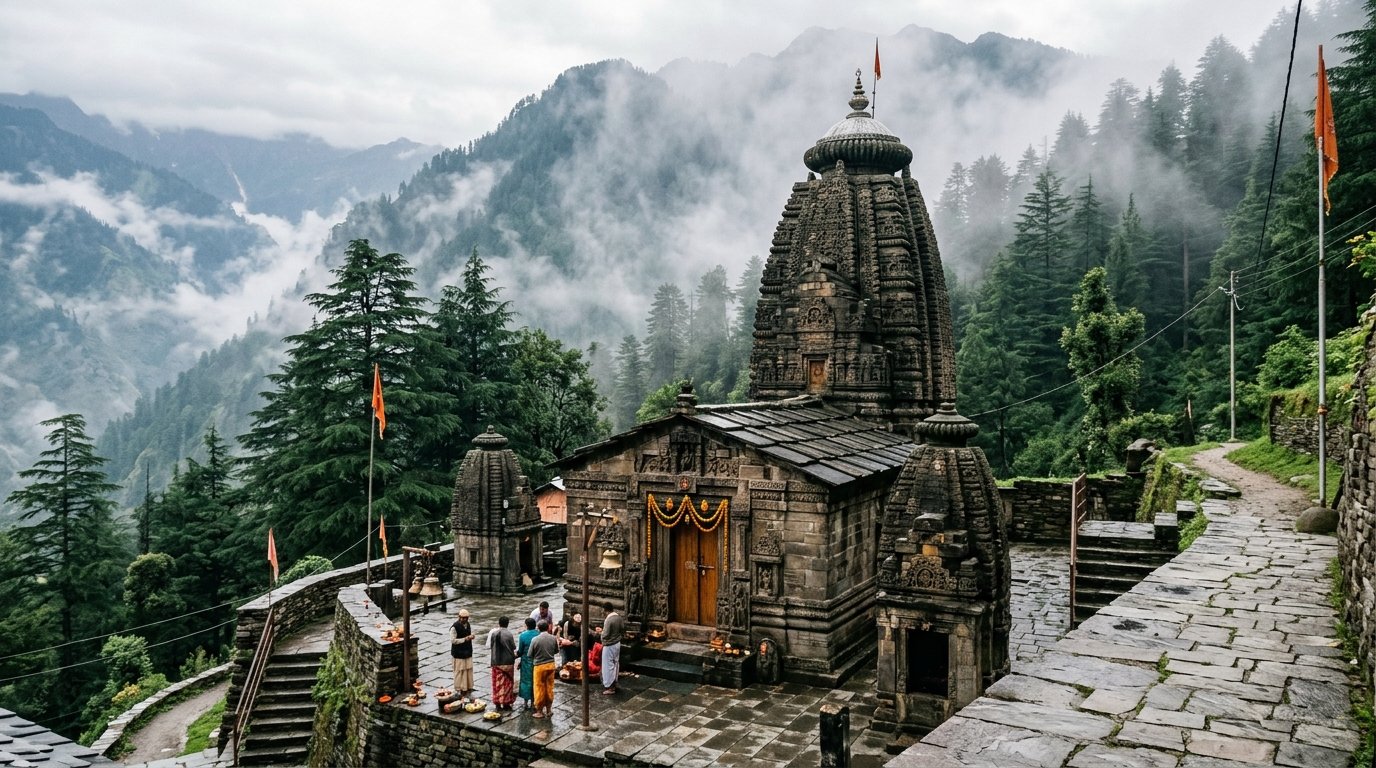
Chiplakot Bugyal is an untouched wilderness where natural formations serve as sanctuaries. The only human-made structures found across the high plateau are: - Sacred Kedar Kund Shrine: A simple, ancient open-air stone altar constructed of stacked dry-stone slabs, decorated with brass tridents (trishuls), red ceremonial flags, and bells offered by pilgrims during the Chipla Jaat. - Shepherd Kharkas: Primitive, low-profile dry-stone shelters built without mortar by migratory shepherds. These shelters feature slate roofs weighed down with boulders to resist ferocious alpine winds. - Natural Moraine Viewing Points: High glacial ridges and natural rocky promontories that offer natural amphitheaters overlooking the five peaks of Panchachuli and deep glacial valleys.
Things to Do & Experiences
Trek to Kedar Kund Glacial Lake
Hike across undulating grassy plateaus to reach the sacred holy tarn of Kedar Kund, taking in its emerald-blue waters framed by towering snow peaks.
Panchachuli Panoramic Photography
Capture world-class panoramic shots of the five peaks of Panchachuli at sunrise when the peaks glow in fiery shades of crimson, amber, and gold.
Botanical Discovery of Rare Alpine Flora
Search for the mythical Brahma Kamal (*Saussurea obvallata*), vibrant blue poppies, alpine edelweiss, and aromatic medicinal shrubs that carpet the meadows.
Birdwatching on Alpine Slopes
Spot Himalayan Monals, Snow Partridges, Tibetan Snowcocks, and soaring Lammergeier vultures riding thermals above the cliff bands.
High-Altitude Stargazing & Astrophotography
Camp under zero-light-pollution skies where the Milky Way arch spans vividly across the Himalayan horizon.
Experience Traditional Shepherd Culture
Visit a shepherd's stone *kharka*, learn about ancestral pastoral migrations, and sample traditional pahadi goat cheese and salted butter tea.
Best Time to Visit & Seasonal Advice
Due to extreme winter snowfall, Chiplakot Bugyal is accessible only during specific windows: - Summer (May to June): The quintessential trekking season. Snow recedes from the meadows, revealing vivid green carpets dotted with wildflowers. Daytime temperatures range from 10°C to 18°C, while nights hover around 2°C to 6°C. - Monsoon (July to August): The meadows become a lush paradise of wildflowers, but heavy rain, dense fog, and slippery trails make trekking challenging. Suitable only for seasoned, well-equipped alpine trekkers. - Post-Monsoon / Autumn (September to October): The most scenic season for mountain clarity. Rain disappears, the atmosphere is crystal clear, and the snow-capped summits of Panchachuli and Mount Api stand out in stark, razor-sharp detail. Daytime temperatures are 8°C to 15°C; nighttime temperatures drop below freezing (-2°C to -5°C). - Winter (November to April): The bugyal is buried under 5 to 10 feet of snow and remains completely inaccessible to trekkers.
How to Reach & Local Transit
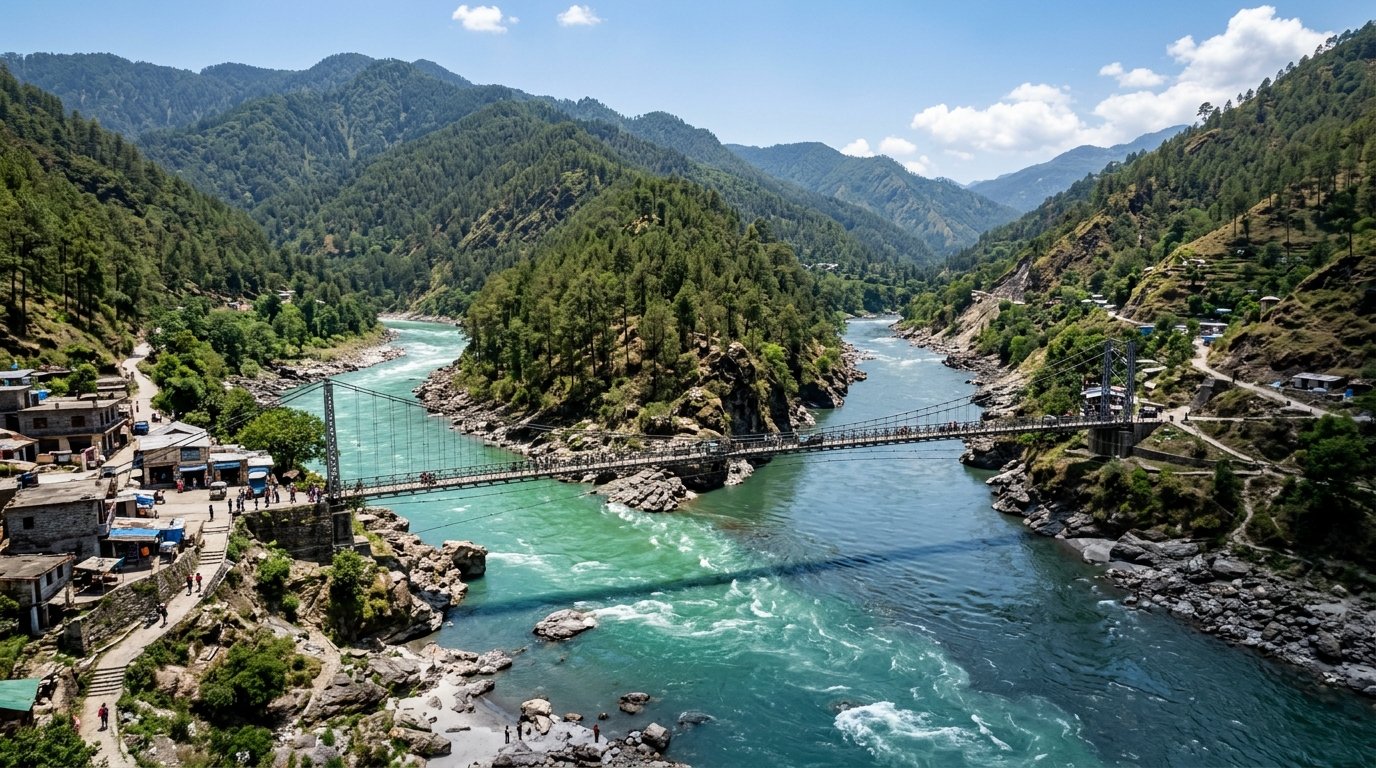
Trekking to Chiplakot Bugyal requires a multi-day itinerary starting from roadheads in Pithoragarh district: - Trailhead Options: The trek generally begins from Baram (along the Jauljibi-Munsiyari road) or Dharchula / Tawaghat side. - Typical Trek Route: - Day 1: Drive from Pithoragarh / Askot to Baram (850m) → Trek 6 km to Kanar / Kaflani village (1,900m). - Day 2: Trek 9 km through dense oak and birch forests to Bunga / Talai campsite (2,900m). - Day 3: Ascend 7 km past tree line to Chiplakot Bugyal & Kedar Kund (3,950m – 4,100m); camp on the bugyal. - Day 4: Explore ridge viewpoints; descend back to roadhead at Baram. - Hiring Guides: Trekking without an experienced local guide from Dharchula, Didihat, or Munsiyari is strictly discouraged due to confusing shepherd trails and sudden weather changes.
Entry Permits, Timings & Guidelines
As a protected wilderness within Askot Sanctuary: - Permits: Forest trekking permits must be obtained in advance from the Forest Department office in Dharchula, Didihat, or Askot. - Leave No Trace: Campers must adhere strictly to "Leave No Trace" principles. All packaging, plastic bottles, and non-biodegradable waste must be packed out. - Sanctity of Kedar Kund: Swimming, soap usage, or littering near the sacred waters of Kedar Kund is strictly prohibited by both local religious custom and wildlife regulations.
Where to Stay & Eco-Lodges
Accommodations during the Chiplakot trek are purely expedition-style: - Wilderness Camping: Trekkers must carry their own four-season high-altitude tents, sleeping bags, and cooking equipment or book an organized trek through accredited Kumaoni adventure operators. - Village Homestays at Trailhead: Cozy traditional homestays are available at the base villages of Baram, Kanar, and Dharchula before and after the trek. - KMVN Lodges: Base accommodations prior to starting the trek are available at KMVN Tourist Rest Houses in Didihat, Munsiyari, and Dharchula.
Frequently Asked Questions
Chiplakot Bugyal sits at an altitude ranging between 3,800 meters and 4,200 meters (12,500 to 13,800 feet) above sea level in the high northern sector of Askot Wildlife Sanctuary.
The trek is graded as moderate to strenuous. It involves an elevation gain of over 3,000 meters from the river valley through steep forest trails and scree slopes, requiring good physical stamina and prior mountain hiking experience.
Kedar Kund is considered a high-altitude sacred lake of Lord Shiva (Chipla Kedar). Every few years, thousands of devotees undertake the arduous Chipla Jaat pilgrimage barefoot to offer prayers and bathe in its holy waters.
Yes. Chiplakot Bugyal offers one of the most magnificent, front-row panoramic vistas of all five peaks of the Panchachuli range, rising dramatically across the valley.
Yes. Because Chiplakot lies within the protected Askot Wildlife Sanctuary and close to the international border, both a Forest Department entry permit and an experienced local guide are mandatory.